| John Broskie's Guide to Tube Circuit Analysis & Design |
| December 20 2025 | Post Number 630 |
||||
Happy Hanukkah
Merry Christmas
Without my posting the follwing photo, it just woun't feel like Christmas.
(Post updated on Dec/24/2025)
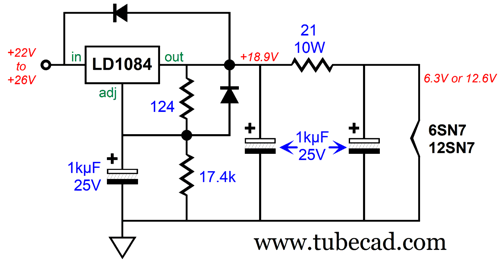
More Universal Heater Regulators (I remember hearing shrieks of horror from timorous audiophiles when they encounter the barrier screw terminals on Vandersteen loudspeakers—in spite of them providing a super tight and secure connection, which was short-proof due the plastic dividers, something five-way binding post lack.) A universal heater regulator…dang, I hate to burden the world with another acronym, but it's time use UHR as a stand-in contraction for universal heater regulator. In Post 629, I revealed the following UHR:
This UHR allows us to plug in either the 6SN7 or 8SN7 or 12SN7 or 12SX7. Well, it could also be used with a 6CG7 and 12BH7, which do not hold identical triodes, but are close enough in amplification factor and plate resistance to work as useful substitutes in circuits such as cathode followers.
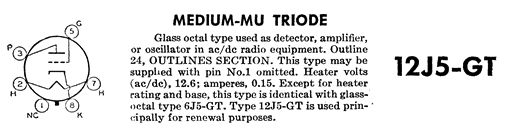
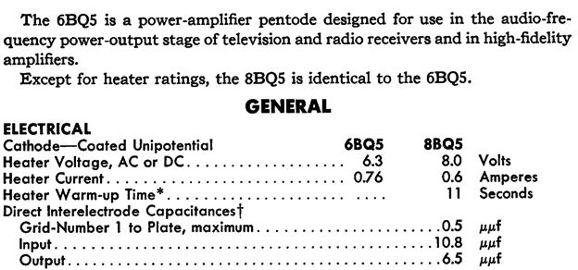
What if you wanted a UHR for use with the 6J5 and 12J5, both of which hold a single triode identical to the 6SN7? The 6J5's heater needs a heater voltage of 6.3V and draws 0.3A of current; the 12J5, 12.6V and 0.15A. The design procedure is to set the LD1084's output voltage to the sum of the two heater voltages, which in this example is 18.9V. Next, we take the lower heater voltage and divide it by the higher heater voltage's current draw; in this example, 6.3V/0.15A, which equals 42 ohms, which is the resistor value needed for the series resistor. The series resistor's worst-case heat will equal the lower heater voltage's current draw squared against the resistance; in this example, 0.3² x 42 = 3.78W. In other words, use at least a 5W resistor. What if you want to use either a 6AS7 or a 6080 and a 6082, which all hold the same triodes but differ hugely in heater voltages? In short, don't use a UHR, as the wasted series resistor heat will be staggering, as the 6082's heater requires 26.5V, while the 6AS7 and 6080 require 6.3V. Okay, what about the 6BQ5 (aka EL84) and 8BQ5? Once again, the series-resistor version of the UHR is not the best choice, as the LD1084's output voltage would need to be 14.3V and 10.5-ohm series resistor per tube would be needed, along with an 18Vdc to 20Vdc raw power-supply voltage to feed the LD1084. In other words, lots of wasted heat.
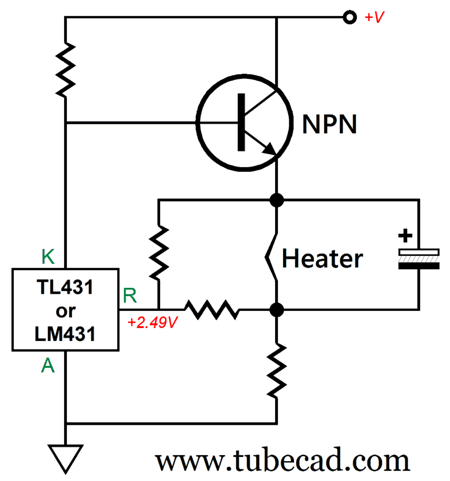
On the other hand, the TL431-based UHR topology from Post 629 would prove more efficient.
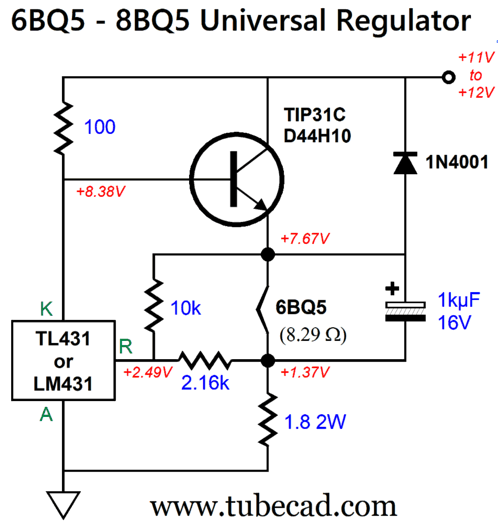
The NPN transistor needs to be a power type and needs a heatsink; each tube requires one of these circuits. Note the 11Vdc to 12Vdc input power-supply voltage in the following schematic, which is about half of what the alternative UHR with an LD1084 voltage regulator needs. In other words, half the dissipation.
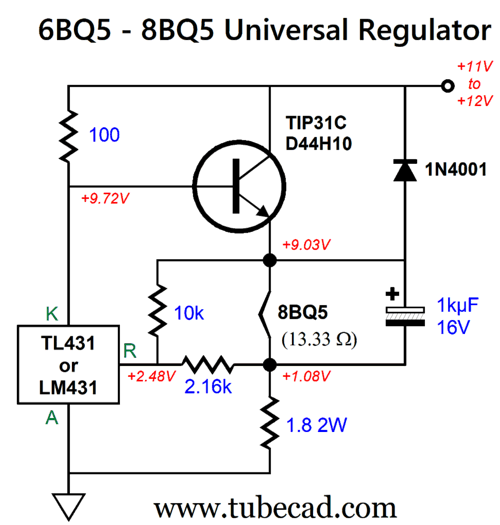
Also note the low 1.8-ohm series resistor, with its mere 2W power rating. With an 8BQ5 in the socket, we see the following voltages.
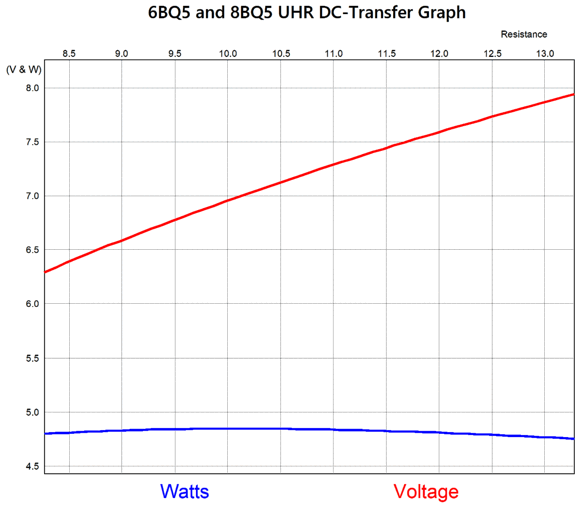
Here is the SPICE-generated DC-transfer graph:
We don't quite hit the 8Vdc target for the 8BQ5, but 7.9Vdc is certainly close enough. By the way, a 6BQ5/8BQ5 tube is most likely to be used in a tube-based power amplifier, but the noval pentode has other uses. For example, when triode-connected, the 6BQ5/8BQ5 makes a fine triode with a mu of 17.7 and an rp of 1600 ohms and transconductance of 11mA/V. A similar pentode, the 6CW5/EL86, a lower-voltage cousin to the EL84, also makes a stunning triode when triode-connected.
Constant-Current-Draw Buffers
As the input stage, the grounded-cathode amplifier, draws more current, the output stage, the cathode follower, draws less, with the variations in current conduction cancelling. This arrangement prevents the power supply from experiencing any signal-induced current flow agitations, distresses, or perturbations. Why is that important? If the B+ voltage is delivered by a high-quality, high-voltage regulator, perhaps it isn't all that important. But what we usually encounter in tube-based circuits is RC-filtered power supplies, where a series resistor is terminated by a large-valued capacitor to ground. The problem here is that neither the resistor nor the capacitor is perfect.
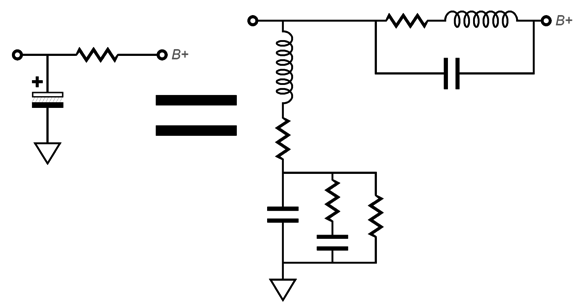
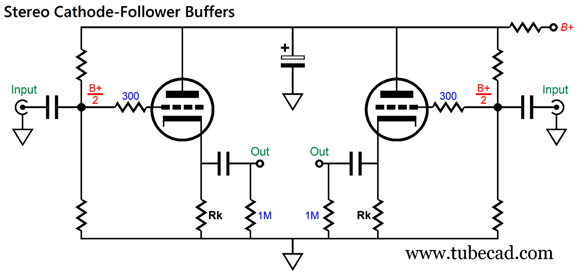
We assume perfect capacitors, but electrolytic capacitors are far from perfect, as they exhibit series resistance, series inductance, dielectric absorption, and current leakage. In general, resistors are a closer approximation to being perfect, but they do bring series inductance and some small capacitance shunting. As long a steady DC current flows from the RC filter, this array of part liabilities does not matter. Reproducing music, however, requires AC fluctuations in current flow. Here is an example of potential trouble, a stereo pair of cathode followers that share a common RC filter.
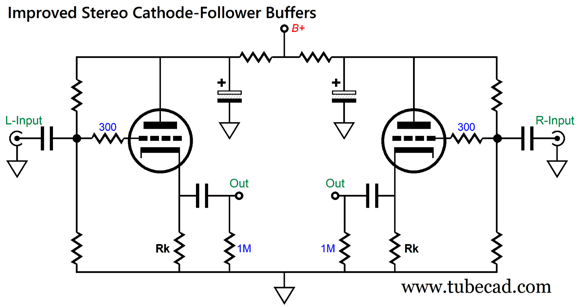
Signals from one channel will provoke small changes in the shared B+ voltage, which imposes itself on the other channel, albeit to a small degree. Do not forget that high-end audio lives and thrives in the small degrees of improvement. One workaround is to give each cathode follower its own RC filter.
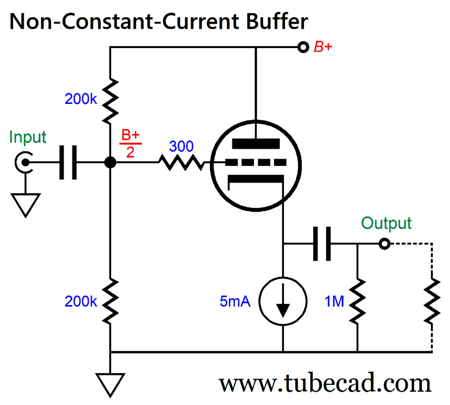
While this improves channel separation, it does not address the problem of the varying current flow polluting its own channel. If this circuit is used for a single channel of balanced signal, then the version with a single RC filter is preferred, as the balanced pair of signals already creates a free constant-current draw. Well, if it is constant-current conduction that we seek, why not use a constant-current source?
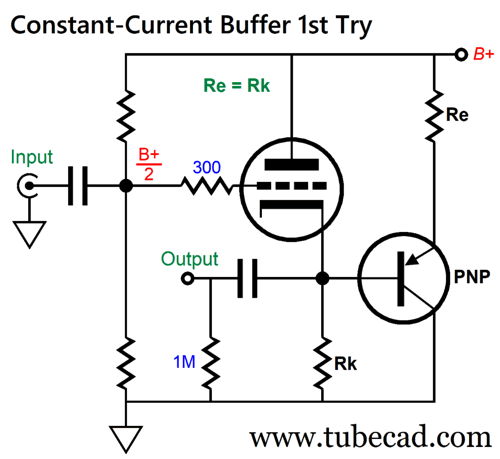
The problem with this workaround is that the constant-current source is located at the bottom, not the top of the triode. In other words, this is not a CCDB. Next, we see my first attempt at making a CCDB.
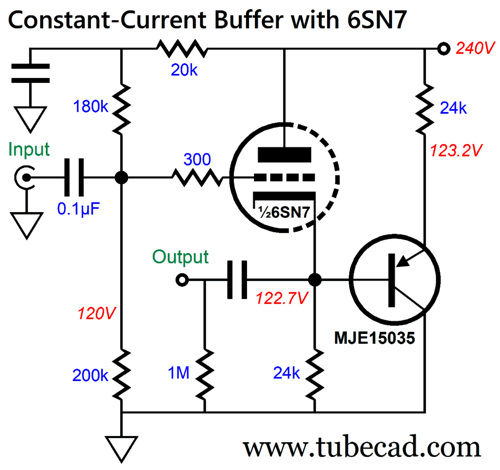
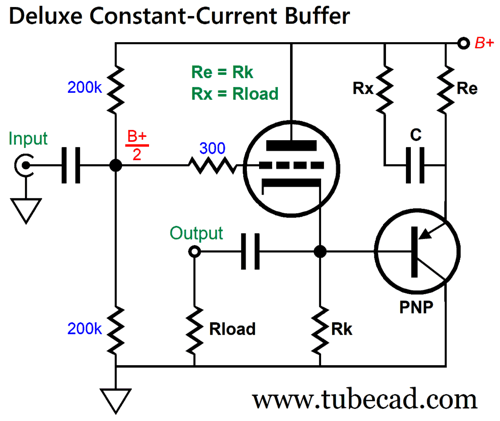
This works fairly well, as long as the external load driven is high impedance and the cathode resistor is low in value relative to that load; for example, a load of 100k and a cathode resistor of 10k. If nothing else, much like an elevator car and its balancing counter weight, we have cancelled the current variation caused by the cathode resistor, leaving only the current variation due to the external load being driven. Here is 6SN7-based design example:
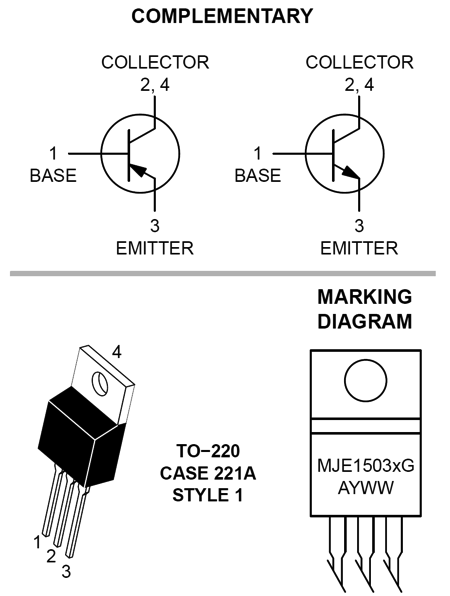
The MJE15035 is a high-voltage (350V) PNP power transistor in the TO-220 package, which finds its NPN complement in the MJE15034.
Note that the tab on the MJE15035 is attached to its collector. This means that, in this circuit, we do not need to use an isolation washer between the PNP transistor and its heatsink, as the tab is at ground potential—i.e. no shock hazard. To further improve this CCDB, we must cancel the current flow through the external load impedance.
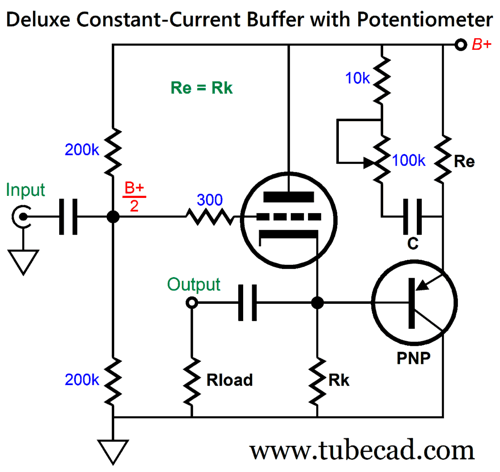
The output coupling capacitor and capacitor C must match in value, but not necessarily in quality. This improved version assumes that we know what the external load impedance will be. In other words, it lacks universality. Your tube-based power might sport a 100k input impedance, but your friend's solid-state power amplifier presents a heavy 10k load. The workaround would be to use a resistor and potentiometer pairing in place of the single resistor.
The dual potentiometer should be mounted on the rear panel near the output RCA jacks and labeled with 10k at one extreme and 110k at the other extreme. Yes, having an extra knob on the back of your line-stage amplifier is something of a minor pain, but more damning is that potentiometers often become flaky from not being rotated. (Well, at least the potentiometer's scraper does experience DC current flow.) What would be nice is an auto-adjusting current-nulling circuit. Okay, it's time to drink our second cup of coffee and think hard.
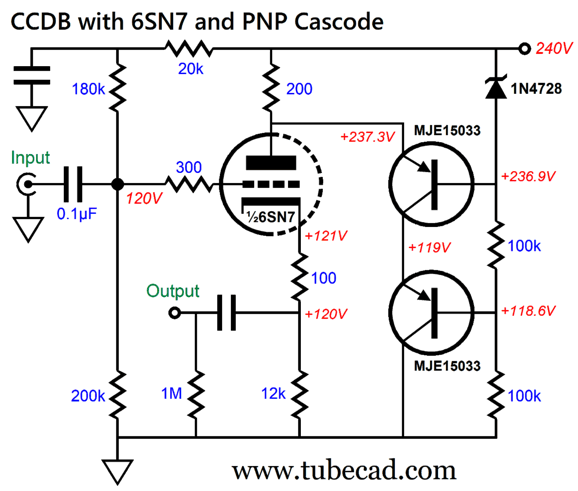
In order for this auto-adjusting current-nulling circuit to work it must monitor the current variation through both the triode and the external load. Something like an inverted current mirror is needed, i.e. one that doesn't match the current flow, but rather flows in anti-phase. After much head scratching, I came up with the following circuit.
The top MJE15033 PNP transistor strives to see a fixed voltage between its base and emitter, which is only possible if the 200-ohm plate resistor experiences a fixed voltage drop, which implies a constant-current draw. If the cathode follower draws more than its idle current, the two PNP transistors will draw less current in equal measure. Note that the top MJE15033 does not perform any voltage regulation. In fact, it ensures that whatever power-supply noise appears at the top of the 200-ohm resistor will appear at the bottom of the resistor. As far as the power supply is concerned, the 200-ohm resistor terminates into a constant-current source. Indeed, if the tube is missing from its socket, the circuit will still draw the same constant current. (In case you were wondering if the zener should be bypassed by a large-valued electrolytic capacitor, the answer is yes.) What about using this circuit with a bipolar power supply? It's possible.
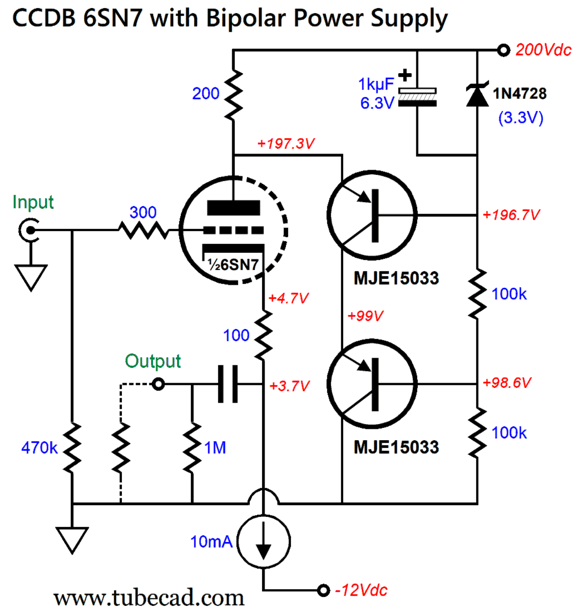
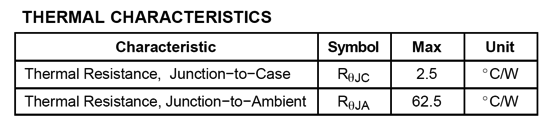
We no longer need the input coupling capacitor, and the negative power-supply rail voltage can be used to power the tube heaters. By the way, the PNP transistors are only arranged in the cascode topology to halve the dissipation, not to increase the high-voltage potential, as they will not require a heatsink as they do not dissipate more than 2W of heat. In this design example, they each dissipate 0.35W each. How do I know that? The 200-ohm resistor sees a 2.7V voltage drop, so it draws 13.5mA, with 10mA coming from the 6SN7 triode and 3.5mA coming from the transistors. Thus, 0.0035 against roughly 100V equals 0.35W. The MJE15035, without a heatsink, presents a thermal resistance of 62.5 °C/W.
This means with a junction limit of 150 °C and an ambient temperature of 25C, the maximum dissipation without a heatsink is 2W. In other words, do we really need to cascode the two PNP transistors? If not, the following circuit makes sense.
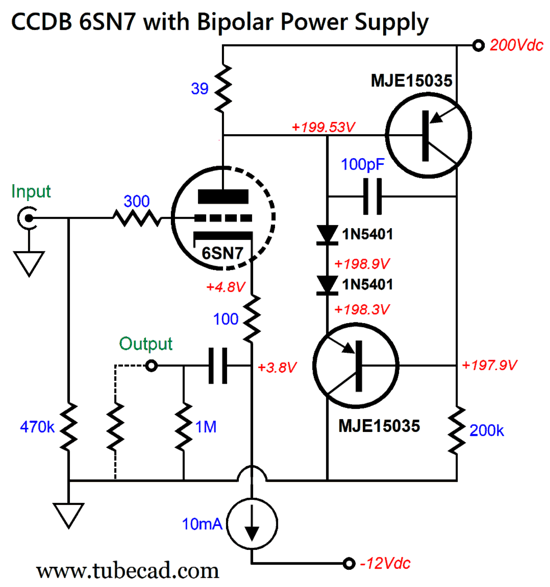
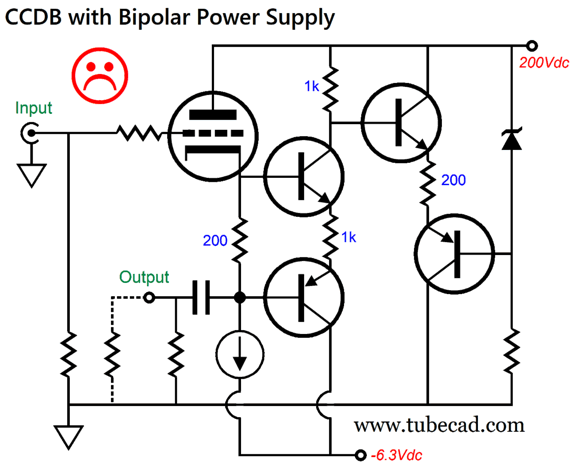
Once again, the top MJE15033 PNP transistor strives to see a fixed voltage between its base and emitter, which it achieves by controlling the bottom MJE15035's current conduction. Unlike the cascode arrangement, this is a compound circuit that vastly increases the negative feedback available to enforce the fixed voltage drop across the 39-ohm plate resistor. Since this is a negative-feedback design, the 100pF capacitor was added to ensure high-frequency stability. By the way, the negative power-supply rail might not be needed, if the required output voltage swing is only 1Vpk and the constant-current source is well designed. Indeed, if we lesson the triode's current flow or increase the B+ voltage, the cathode voltage will increase, thereby eliminating the need for the negative power-supply rail. My next thought was, why not use the 100-ohm cathode resistor as the current sense resistor, rather than using a plate resistor? My first stab at a useful design was a bust.
The circuit is inefficient and clumsy; besides, it would prove tweaky. When striving to come up with a novel circuit, it's often best to first create an OpAmp-based version, as the OpAmps can later be replaced by discrete electronic parts.
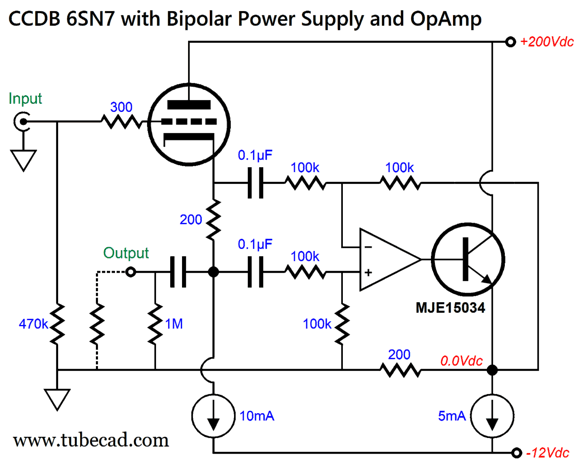
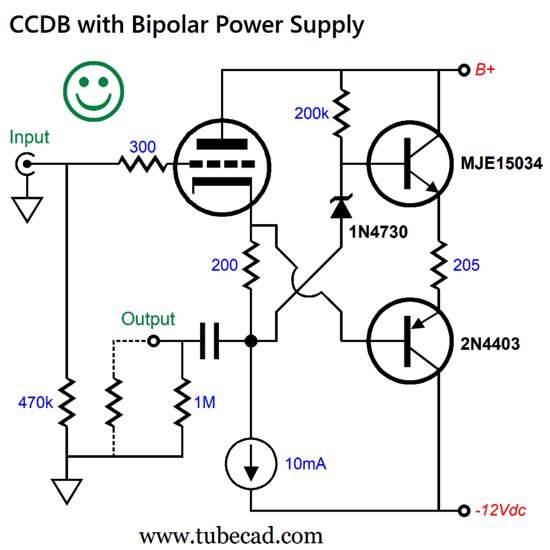
If your brain just exploded, do not worry, as it's not that complicated in reality. The OpAmp and its four equal-valued resistors define a differential amplifier that only responds to variations in the voltage drop across the 200-ohm cathode resistor. Once a voltage variation is sensed, the differential amplifier delivers this voltage variation in anti-phase at its output, i.e. the NPN transistor's emitter, whereupon the secondary 200-ohm resistor varies its current conduction from it zero conduction at idle. For example, if the cathode resistor experiences a +0.2V increase in voltage drop due to driving a low impedance positively, the NPN transistor will decrease its current conduction to the point where the secondary 200-ohm resistor sees a -0.2V voltage drop. In other words, the cathode follower drew 1mA more current, while the MJE15034 NPN transistor drew 1mA less current. As far as the power supply is concerned, nothing happened, as 15mA of constant current flowed into the circuit. Okay, now we lose the OpAmp.
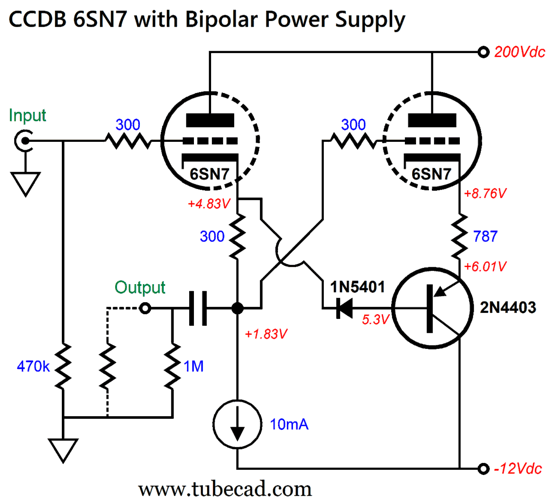
The 205-ohm emitter resistor experiences the anti-phase signal that the 200-ohm cathode resistor experiences (as does the 200k resistor, which explains why 205 ohms is used instead of 200 ohms). Of course, since I can never let any circuit be, I wondered if we couldn't replace the NPN transistor with another triode. We can:
The left triode draws 10mA, while the right triode draws about 3.5mA. The 1N5401 rectifier acts as a simple voltage displacer. In fact, we can replace both the 1N5401 and the 2N4403 with a single PNP Darlington transistor, such as the ZTX705 or TIP115. Is this what I deem the best choice? No. Often, I do not save the best for the last. If I were to build a CCDB today, I would use the topology with a single PNP transistor and emitter resistor equal to the cathode resistor.
Music Recommendation: Musica Nuda's Live à FIP
She sings, he plays the bass. They thunder. Half the songs are sung in English, the others mostly in Italian. Just give "Come Together," "Roxane," and "Fever" a listen. When I have played this album, new listeners demand to know who they are so that they can add them to their must-listen list. //JRB
AI Summary
Did you enjoy my post? Do you want to see me make it to post 1,000? If so, think about supporting me at Patreon.
User Guides for GlassWare Software
For those of you who still have old computers running Windows XP (32-bit) or any other Windows 32-bit OS, I have setup the download availability of my old old standards: Tube CAD, SE Amp CAD, and Audio Gadgets. The downloads are at the GlassWare-Yahoo store and the price is only $9.95 for each program. So many have asked that I had to do it. WARNING: THESE THREE PROGRAMS WILL NOT RUN UNDER VISTA 64-Bit or WINDOWS 7, 8, and 10 if the OS is not 32-bit or if it is a 64-bit OS. I do plan on remaking all of these programs into 64-bit versions, but it will be a huge ordeal, as programming requires vast chunks of noise-free time, something very rare with children running about. Ideally, I would love to come out with versions that run on iPads and Android-OS tablets.
|
I know that some readers wish to avoid Patreon, so here is a PayPal button instead. Thanks. John Broskie
John Gives
Special Thanks to the Special 90 To all my patrons, all 91 of them, thank you all again. I want to especially thank
I am truly stunned and appreciative of their support. In addition I want to thank the following patrons:
All of your support makes a big difference. I would love to arrive at the point where creating my posts was my top priority of the day, not something that I have to steal time from other obligations to do. The more support I get, the higher up these posts move up in deserving attention.
If you have been reading my posts, you know that my lifetime goal is reaching post number one thousand. I have 375 more to go. My second goal was to gather 1,000 patrons. Well, that no longer seems possible to me, so I will shoot for a mighty 100 instead. Thus, I have just 9 patrons to go. Help me get there. Thanks.
New URL of the GlassWare website |
||||



.png)








| www.tubecad.com Copyright © 1999-2025 GlassWare All Rights Reserved |